














Earlier this semester, I spoke to a member of the Furman Free Speech Alliance about The Paladin, the free speech climate at Furman and how I’ve seen it change throughout my time here. The FFSA is an alumni group working “to provide support for students, professors, administrators, and our fellow alumni who speak up for open debate and viewpoint diversity.” It exists as a smaller chapter of the Alumni Free Speech Alliance, which has chapters at universities across the country. The Paladin’s Audrey Enghauser compared their goals with Furman’s On Discourse Initiative in an article published last fall.
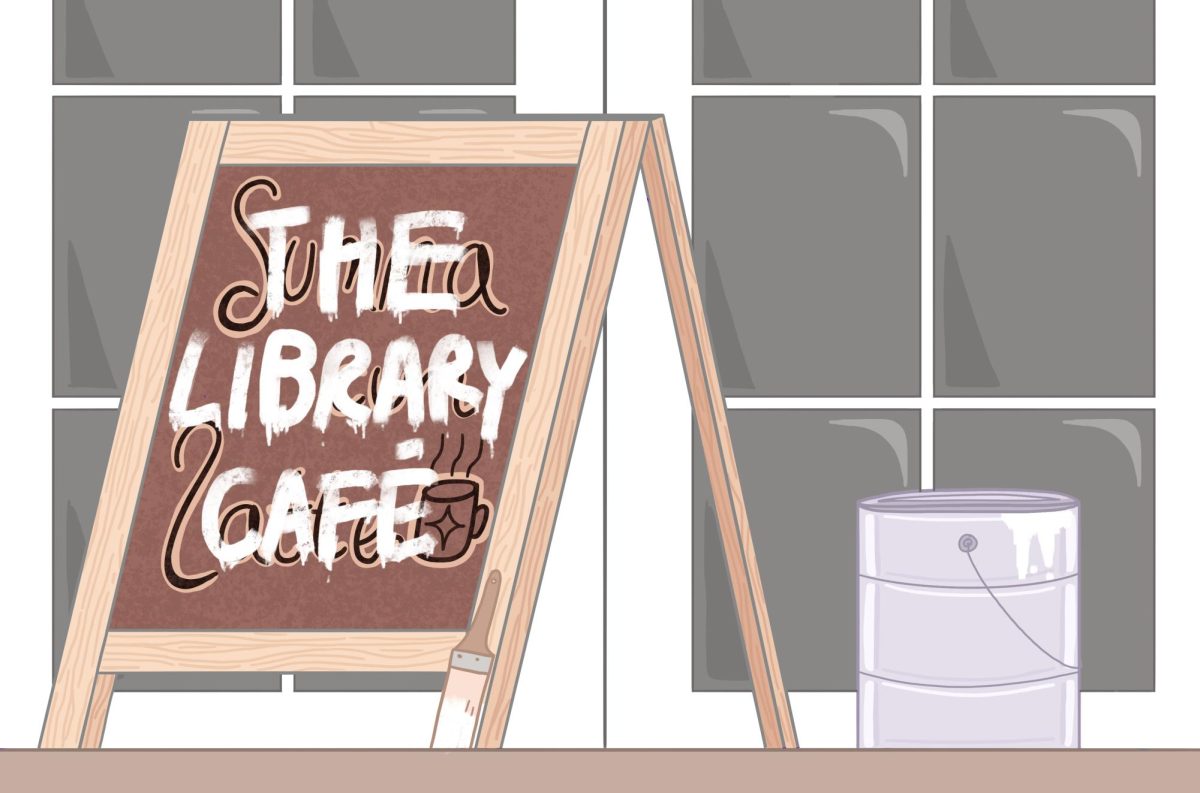
Free speech is something that I, along with many other students, feel is currently under attack in a very nonpartisan way. Recently, the Foundation for Institutional Rights and Expression ranked Furman 195th out of 257 colleges for speech climate, receiving an “F.” We’ve even seen it firsthand in The Paladin — many students are scared to tackle wider political issues for fear of retribution or perceived partisanship.
Why is perceived partisanship such an issue? It starts at the federal level. During this federal government shutdown, around 25% of the federal workforce could be potentially cut. President Trump’s statement concerning the layoffs earlier last month was, “it will be a lot, and it will be Democrat-oriented.” This sets a very bad tone. If partisanship is free speech, then our president does not appreciate enough the value of freedom of expression.
How does this play out? Furman students are rightfully cautious when publishing opinions concerning political issues. Employers, now more than ever, are considering speech in hiring decisions, including op-eds, social media posts, attendance at events and protests.This is not a partisan issue, and it is indicative of the wider polarization occurring across the nation.
With a rapidly growing youth unemployment rate and ballooning tuition costs across the nation, college graduates are forced to maintain, kickstart and protect their careers as soon as they enter college. This is the root of the speech anxiety many college students have.
If free speech is so limited as to your employability, why would you ever speak out against the norm? It is much easier to stay silent when things are happening, be a bystander to legislation, stop reading the news or thinking for yourself and just fall into generalized partisanship.
This is a wider issue, but at Furman, we can do better. We are blessed to be part of such a small, tight-knit community, and we can hold each other to a higher standard as students, faculty, staff, alumni and administrators.
So how do we do it? It starts with ending our usage of highly politicized terms. Terms like “DEI” and “viewpoint diversity” are used in social and legacy media with wildly different meanings than was intended. Often, these terms are coded as partisan to readers and can establish a certain unintentional bias in discussion. If we are to have healthy free speech on campus, the climate must be devoid of partisanship and blanket ideologies. Students should be encouraged to use terms with real, inherent meaning and provide veritable evidence for their claims.
Another way to foster free speech is by holding open, public discussions in person or online between those with opposing views. These open-forum discussions should focus on one specific political issue, such as immigration, and should be moderated by a faculty member with some expertise in the area. The moderator should be entirely dedicated to fact-checking and providing context to claims, adopting no real opinion or partisanship throughout. This is one of many easy ways to make the wider student body more comfortable discussing certain political issues and sharing their opinions.
To establish a safe forum, we need to have some ground rules for dialogue. Students should use “I think” statements and feel free to bring in lived experiences or cultural backgrounds into these discussions. This helps bring empathy to political discussions lost in online debate, as many of our views are evidenced by our upbringings, cultures, surroundings and experiences. These discussions can help students derive rational insights from their own experiences and practice meaningful self-reflection.
Many of these tactics are those currently in use by the On Discourse Initiative. As a proud student ambassador of On Discourse, I think it plays a crucial role in campus discourse, and accesses a more diverse cross-section of the student body than other political organizations such as the Riley Institute, Tocqueville Center and the Furman Free Speech Alliance. But the Initiative is only as strong as the students behind it. If we as students are not truly committed to healthy free speech, it won’t succeed.
I find great value in the Furman Free Speech Alliance, and I hope our campus grows more committed to fostering free speech. As students, we ultimately hold the responsibility and ability to make Furman a healthy environment where we can speak freely. Administrative policies and efforts of alumni can only go so far. Let’s practice empathy, discuss issues with care and evidence and speak without politicized language. We can fight this wider cultural shift to suppress free speech, and we can do it today.