


















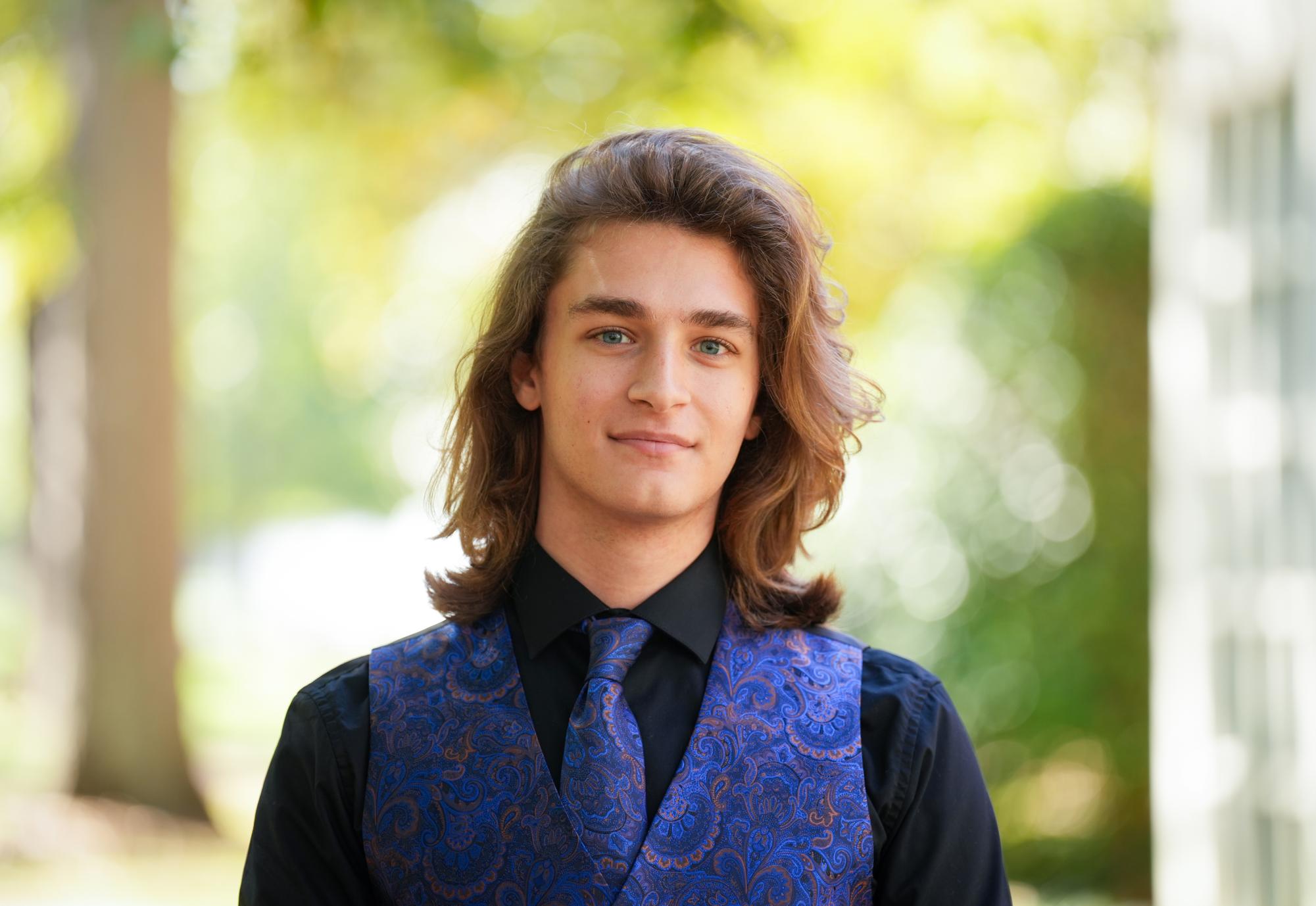

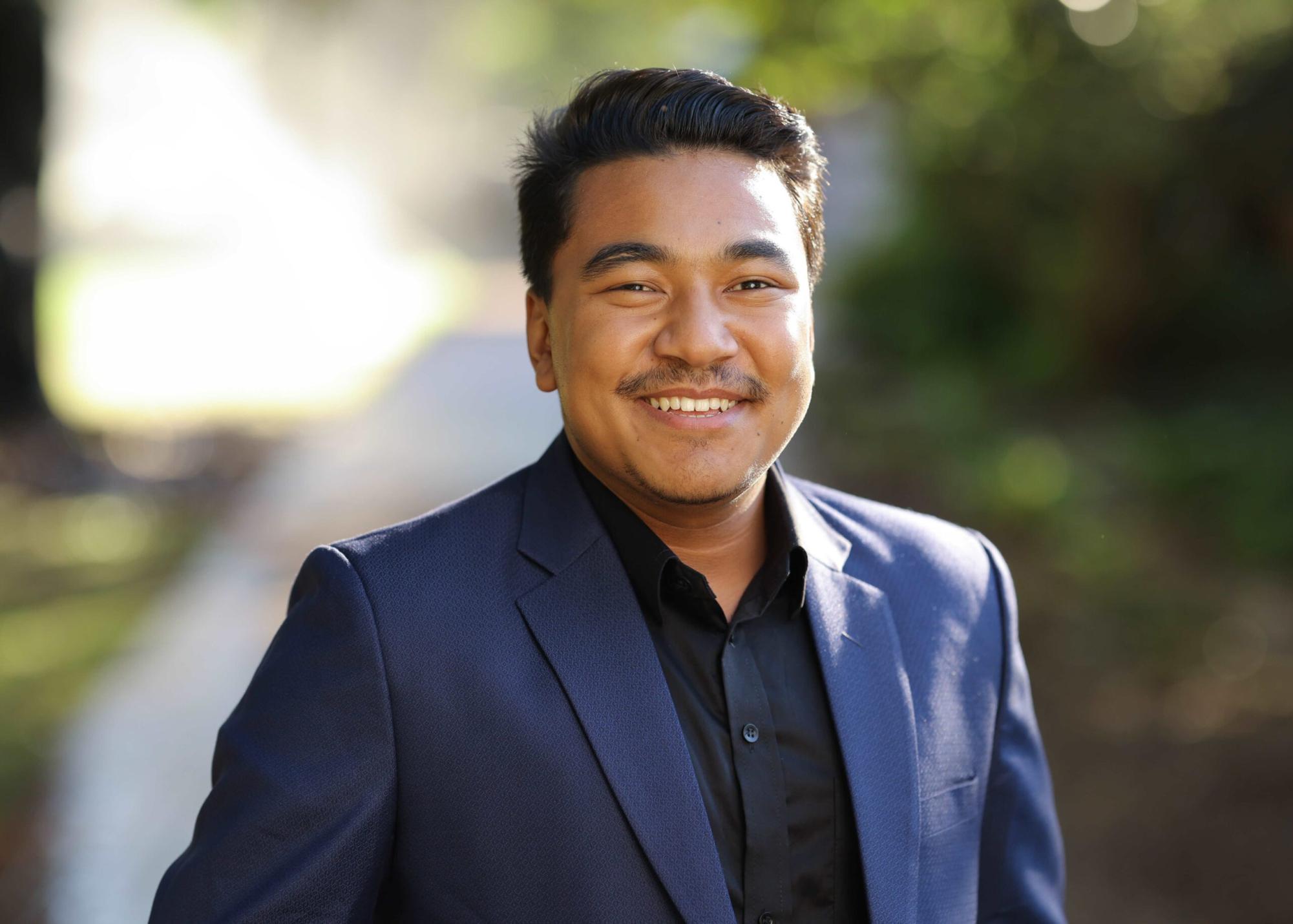
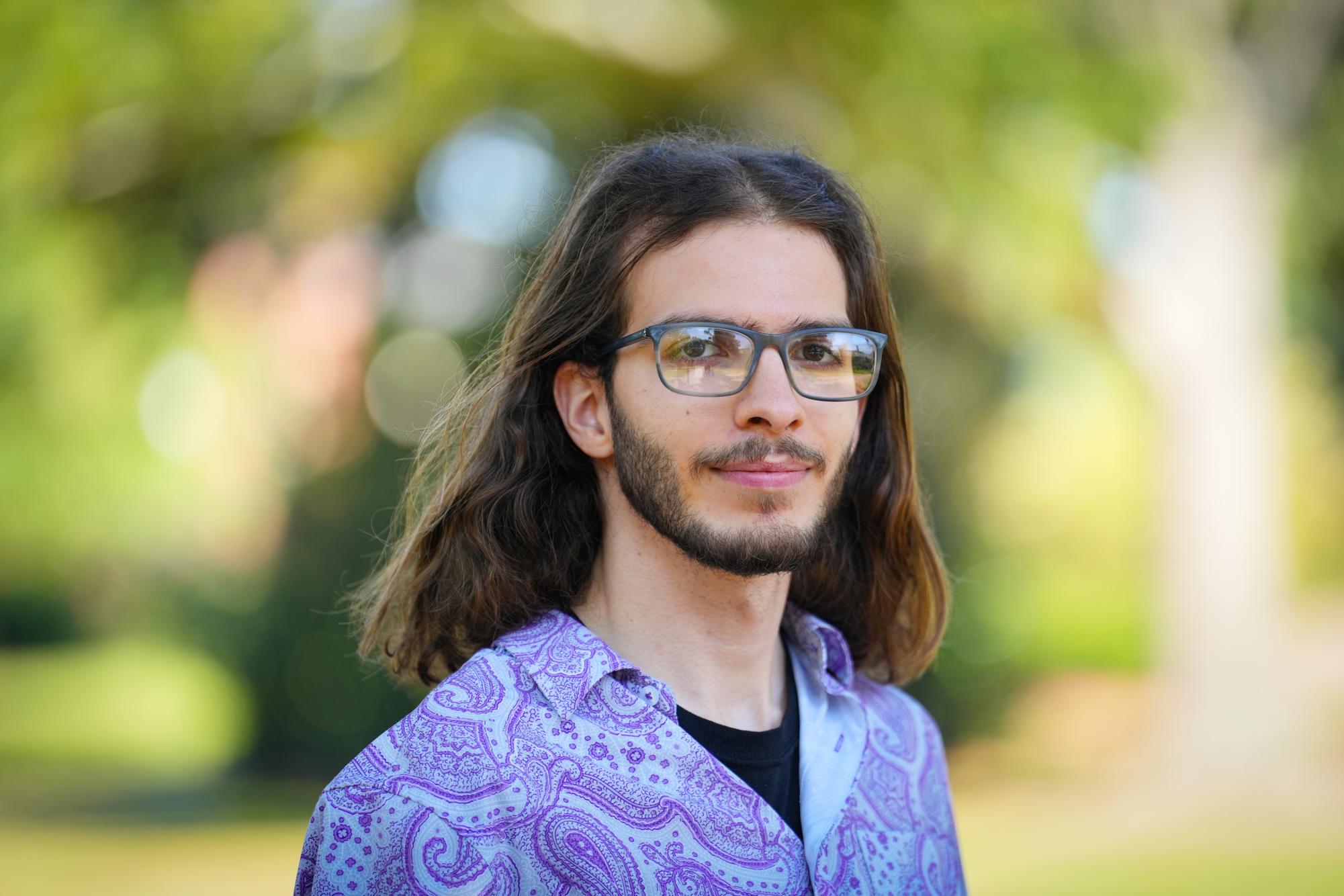
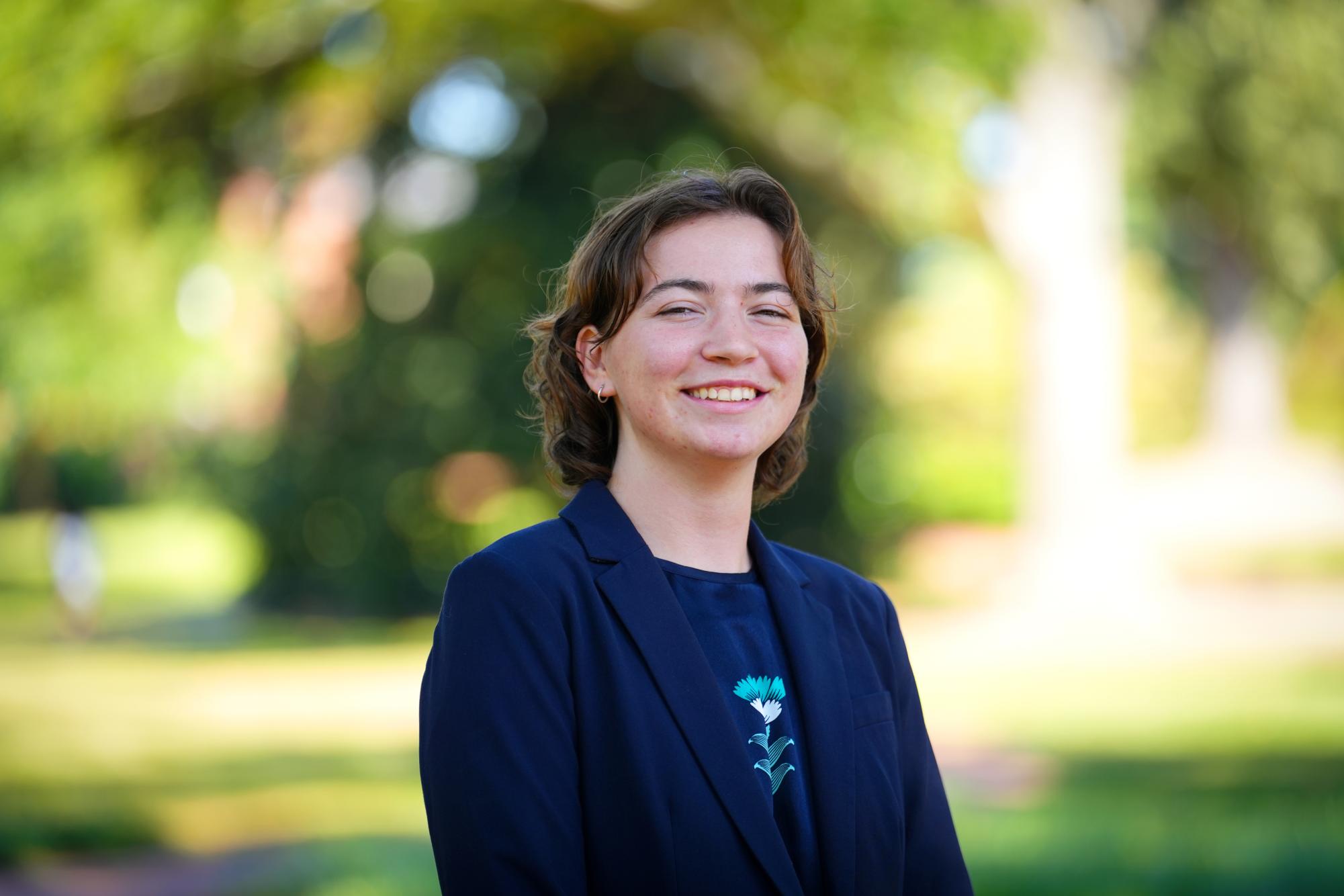

Last April, five seniors were selected for the Furman Fellowship — an award that comes with a $10,000 grant for a year-long project. Trustee Emeritus Robert H. Buckman and his wife, Joyce Mollerup, started the endowment in 2004 to give students an opportunity to use their professional, academic and creative skills to make a change in their community.
Applicants apply during their junior year, and at each Furman Engaged, the current fellows present their projects, and the incoming class of fellows is announced. The fellows that are selected each year must have “unique leadership skills and an ability to make a difference in the world and in the lives of others,” according to the Furman website.
Neha Bhatnagar: A healthy food pantry
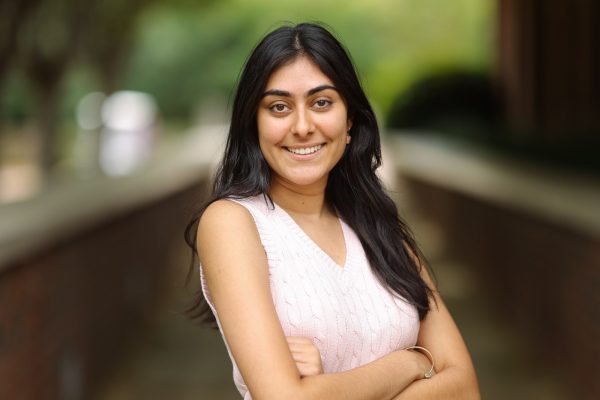
Despite growing up in Greenville, neuroscience major Neha Bhatnagar ‘26 was unaware of the full extent of the food insecurity that permeated her hometown. She was first exposed to this issue, as well as the community groups that were trying to fix it, when she interned with a local food bank, Harvest Hope, in high school.
When she came to Furman, Bhatnagar started to volunteer with Heller Service Corps, which led her to discover the Blessings in a Backpack program and eventually become the co-leader in 2024. The program utilizes Furman volunteers to deliver food bags to nearby schools each week. Her main goal with the program is to raise awareness about food insecurity and increase student involvement, which has led to more community connections with schools in need of nutritional support and nonprofits that seek to bridge that gap in Greenville.
One of these nonprofits is LiveWell, an organization that seeks to provide healthy food to families in Greenville County. She found out that the meal delivery system for Monaview Elementary School, which is just around the corner from Swamp Rabbit Cafe and Grocery, wasn’t meeting the full nutritional needs of students and their families. It seemed like a problem that she was in a position to help solve.
“I thought it would be the perfect amount of challenge, but still something that I could make a step forward in and (make it) come to fruition,” Bhatnagar said.
She strives to increase the amount of healthy food available to families as well as serve families with the specific kinds of foods they need.
“There’s different things depending on culture and where people come from, or what they cook with, that they would prefer,” Bhatnagar said.
She also emphasized the importance of delivering fresh foods to support healthy diets, as non-perishables often contain preservatives, high sodium content and high fructose syrups.
However, since Monaview isn’t able to house a refrigerator, only non-perishables will be kept on hand. That means Furman volunteers assisting in day-of deliveries will be key for providing healthy foods.
“This could be a cool way to see the impact you’re having, bringing the food to the school,” Bhatnagar said.
In the future, she hopes her program can be used as a template to assist other Title I schools, in which at least 40% of students come from low-income families, and continue filling this community need.
“This is so important for children, especially through development and (for) nourishment. This will hopefully help them be successful in their education and successful in their future,” Bhatnagar said.
Pratik Shrestha: Making investing easy
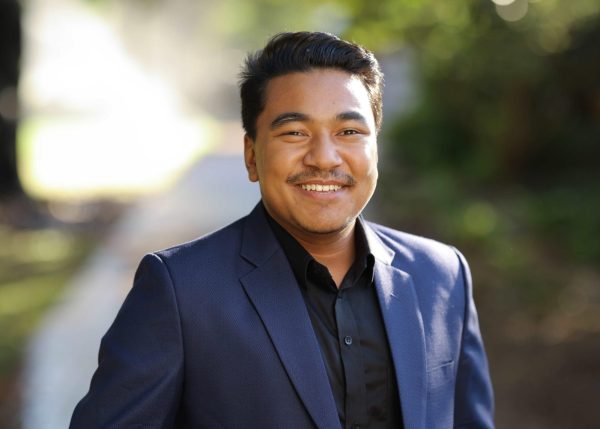
Pratik Shrestha ‘26 first took an interest in the stock market at 12 years old after observing his mother investing in the stock market for his family. Now, he’s majoring in information technology with a finance cognate and a data analytics minor at Furman and spent last summer as a junior analyst of portfolio and risk analytics at Baron Capital in New York City.
Shrestha has noticed that many of his peers are skeptical of investing — some consider it to be as risky as gambling. He wants to change that with his platform “HedgeWise,” a simple, streamlined stock trading platform that helps students make low-risk investments with confidence.
“I just want to make investing easy for everyone because nobody should be afraid of investing in the future,” Shrestha said.
Shrestha is developing the core algorithmic engine of the platform himself. Students will fill out a questionnaire that assesses their preferences, including the types of investments they are interested in and how much risk they are willing to take on. It will evaluate a variety of stocks, real estate, bonds and crypto, and construct a portfolio that best suits the student and explains why those choices were made.
There will also be an AI chatbot in the dashboard that allows students to gain more insights into their portfolios. For Shrestha, giving students opportunities to learn about investing through the software is key, as it will help them become more independent and savvy investors.
“(The platform) helps make investing more accessible and less intimidating,” Shrestha said.
The next step for Shrestha is sourcing the financial data he will need to make the investment recommendations, which is an expensive part of the process.
Once he secures it, he will get to work applying the “intuition” that he developed in New York to plan out his algorithm so he can start breaking down barriers that make it difficult for students to invest.
Ethan Ropp: A jazz fusion record
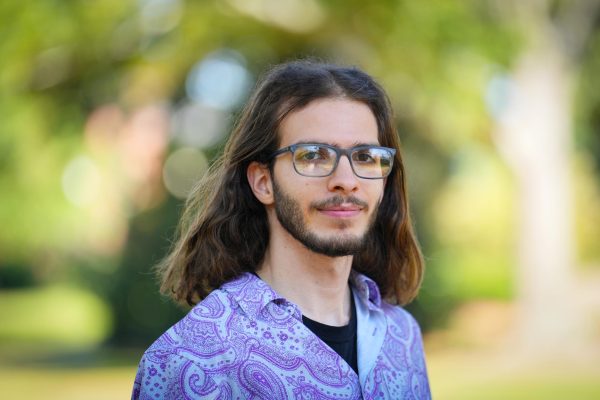
Ethan Ropp ‘26, a physics and music major at Furman, has played upright and electric bass since middle school. He plans to compose a jazz album, focusing on progressive jazz and jazz fusion.
Ropp had the opportunity to participate in a jazz composition project during a previous summer at Furman, which led him to explore writing his own music.
“I found that inspiring. Like ‘Oh yeah, I enjoy actually writing music and doing my own stuff,’ because mostly I play stuff that other people wrote. It makes me want to do more of that,” Ropp said.
He composes by improvising, saving parts he likes, and fitting the saved parts together. This semester, he is supplementing this project with lessons from adjunct jazz professor Matt Dingledine to study composition techniques.
One of Ropp’s goals for his album is to highlight his collaborators.
“That’s something I find separates a lot of the really good composers from others, is they’re writing for specific people,” Ropp said.
The lineup of musicians on the album will include people he met at the Fine Arts Center in Greenville and has played with in the past.
“I definitely want to make a good and interesting project that represents Furman and the Furman music department well,” Ropp said.
The opportunity to use the Furman Fellowship to compose an album is unique, so Ropp hopes to balance his responsibility to the music department with his own creative ambitions.
“I know for the Furman music department, it’s very rare to get one of these fellows awards,” Ropp said. “So I’m trying to do that well, but at the same time, not constrain what I want for the album to what I think will fit what they want.”
Zia Harrison: A makerspace for all
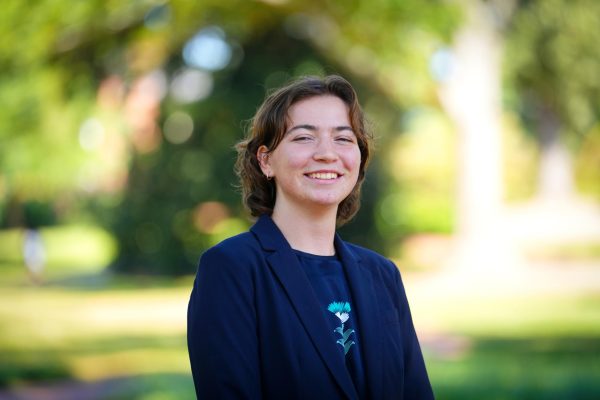
Zia Harrison ‘26 is a physics major with a minor in data analytics. She plans to create a makerspace in the physics department, operating as an all-in-one place for student creativity. It will be a “FabLab,” a specific type of makerspace which maximizes possible creations with minimal materials, like plastic and wood, as well as basic machines, like a 3D printer and laser cutter.
Harrison surveyed students about what they would like to see in the space, which led her to add craft supplies such as a sewing machine, equipment for building electronics and media equipment such as audio recording technology and a greenscreen.
Harrison first gained an interest in physics in high school, but she gained confidence and decided to study physics at Furman only after her first introductory course. She is more interested in hands-on work, and plans to pursue a master’s degree in engineering.
Harrison hopes to bring more engineering opportunities to Furman students through this project and her role as the president of the new Engineering Club.
“I’ve talked to professors in like seven different departments at this point, and a lot of them are really interested in getting their students to build more things,” Harrison said.
She hopes the makerspace will keep running after she graduates so that students can continue to conveniently and efficiently work on their own creations.
Cian Colgan: Mapping out ancient history research
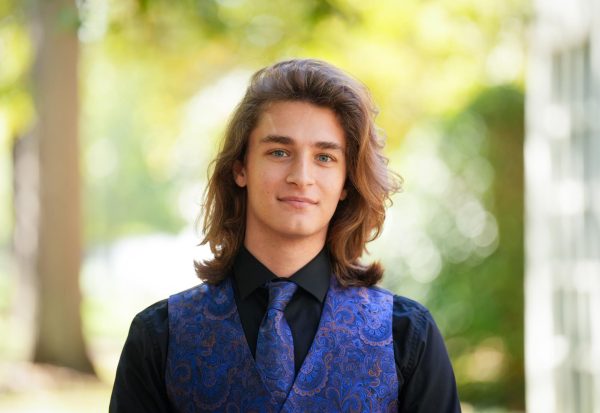
Cian Colgan ‘26 loves everything about ancient history — he is a history and Earth and environmental sciences double major with a minor in ancient Greek and Roman studies. Colgan is working on an interactive map of Anatolia (a peninsula that encapsulates much of modern day Turkey), called “Tracking the Ten Thousand: An Integrated Reading Tool for Xenophon’s Anabasis,” which displays ancient history within its geographical context.
Xenophon, an ancient Greek historian, philosopher and soldier, commanded the army called the Ten Thousand. The army’s route was recounted in the text “Anabasis.”
Many of the previous reconstructive efforts of the Ten Thousand’s route were made before certain mapping technologies were created, such as Google Earth and high-resolution satellite imagery. The general itinerary of this route has been known for centuries, but Colgan’s recent research for his thesis offers a reinterpretation of the details with the help of new technology.
Specifically, this has involved turning Xenophon’s travel log into information that can be used by a Geographic Information System, which stores, analyzes and displays geographic data.
He was first exposed to GIS technology in an Earth and environmental sciences class. “I happened to really click with (GIS). I like the technical aspect of it. I like computers. I liked just how versatile it was. I was like, ‘Wow, I can really get into this,’” Colgan said.
For his thesis, Colgan focused on mapping Xenophon’s route using GIS. Now, his Furman Fellows funding will help transform this research and map into a highly accessible website for students that includes annotated versions of the text in both English and ancient Greek.
“Someone could read the text, hover over a location for instance, see where it is on the map and how it relates to the journey, then be able to click it to be taken directly to the Wikipedia page if they want to learn more,” Colgan said.
He hopes that this user-friendly platform for learning about Xenophon and ancient Greece will provide an accessible way for people to immerse themselves in these topics.
“Functionally, it’s a learning aid for students who want to read ancient Greek, and wrapped up in that is the fact that it’s an entry point for scholarship,” Colgan said.
Colgan looks forward to the journey ahead of consolidating geospatial data, his own research, maps and narrative into one engaging platform.
“It’s nice to have a project to devote yourself to,” Colgan said. “(I want to) make this the most usable, the most helpful and most true to my desire [for] what I want to do.”